
- Home
- Live Blog
- Breaking News
- Top Headlines
- Cities
- NE News
- Sentinel Media
- Sports
- Education
- Jobs
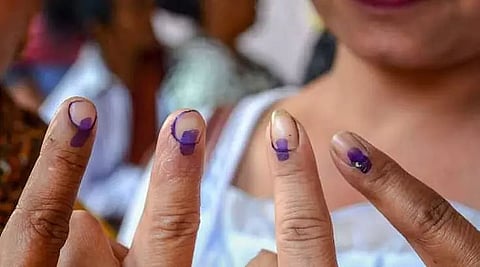
Assam's 80 Municipal Boards are set to elect new sets of representatives on March 6. They will shoulder the responsibility of development in areas under their jurisdictions. The relaxation of COVID curbs has added to the enthusiasm of candidates, supporters as well as electors. Key challenges before the new set of functionaries to be elected include putting in place an effective system monitoring utilization of revenues collected by municipal boards as well as grants and assistance from the Central and the State governments. Ensuring accountability of public expenditure to ensure corruption-free local governance has remained another key challenge. A report of the Comptroller and Auditor General (CAG) on the functioning of local bodies in Assam brought to light yawning gaps in financial management and the internal audit system of these municipal boards. The report highlights that the principal sources of revenue of ULBs are -Collection from tax and non-tax sources allocated to them under the relevant Act, resource transfers from the State in the form of devolution of shared taxes under State Finance Commission grants, grants-in-aid from the State Government and the Central Government under various centrally-sponsored schemes and under the award of successive Central Finance Commissions. Besides, ULBs also obtain loans from financial institutions for the implementation of various schemes relating to Urban Development, Water Supply Roads etc. Collections by a municipal board such as taxes on holdings, water tax, etc, are sources of tax revenue while building plan sanction fees, rents from shops and buildings, tolls and other fees constitute the main sources of its non-tax revenue. The CAG findings unveiled critical gaps in accountability mechanisms. As of March 2017, a settlement of 1,916 paragraphs with the monetary value of Rs 620.95 crore was pending for want of replies from concerned ULBs indicating that compliance to the audit observation was not taken seriously, the report revealed. It also detected that in absence of any mechanism for monitoring budget proposals, there were instances of state government releasing funds to some municipal boards even the municipal boards submitting any budget proposal. The Fifth State Finance Commission Report (2016-2020) submitted in 2016 also highlighted the gaps in the administration of Urban Local Bodies (ULB) including the municipal boards and accordingly recommended grants to bridge the gaps. Elections to the Municipal Boards have brought the opportunities to undertake a comprehensive review of utilization of these grants in creating required infrastructure and improvement in service delivery to draw the road map for the next five years. The SFC found that the ULBs lacked skilled manpower and a highly mechanised system necessary for solid waste management and recommended a total grant of Rs 231 for municipal boards. It also found that none of the ULBs had any scientifically designed landfill sites and recommend a grant of Rs 121 crore for four years from 2016-2020 to ULBs including Guwahati Municipal Corporation for construction of scientifically managed landfill sites. Apart from managing household municipal solid wastes, challenges of scientific management of the hospital and medical wastes have also become a challenging task for municipal boards with private nursing homes apart from government hospitals growing in some of the towns. The election is a stock-taking time for electors to judge the performance of elected bodies of the Municipal Boards over the last five years and their expectations from a new set of representatives whom they are going to elect. Launching of online systems for building permits and property tax payments, besides uploading information on revenue collection, projects etc., on their websites by some municipal boards in the category are some of the key initiatives towards shifting towards e-governance which bring more transparency in administration. The electors will expect the candidates to come up with their vision of improving the performance of the municipal boards and utilization of funds to make the towns sustainable for ease of living. Of 96 urban bodies in Assam nine securing ranks in North East Category under Swachh Survekshan 2021 also speak volumes about the scope of improvement implementation of Swachh Bharat Mission in the rest 87 urban bodies and the performance of the elected representatives and executives in those. The SFC in its report expressed the view that people will not be averse to pay taxes and fees if they get satisfactory services from municipal boards and to improve municipal services, they need to be made professional institution, play a definite role in reducing the unbalanced growth of urban areas. The administrative cost of municipal boards eating up lion's share of the total revenue expenditure, fiscal management along with increasing own revenues will be a major challenge for newly elected bodies. The intensified campaign is going to dominate the political discourse in the state over the next two weeks. It is hoped that problems of fiscal management and accountability gripping the municipal boards will not get lost in the poll rhetoric of parties and candidates.