
- Home
- Live Blog
- Breaking News
- Top Headlines
- Cities
- NE News
- Sentinel Media
- Sports
- Education
- Jobs
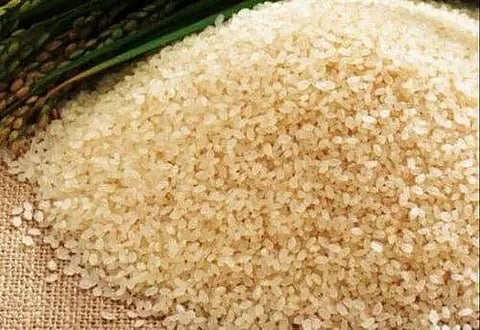
It is great news that Joha, a special aromatic variety of rice exclusive to Assam, has hit the headlines for possessing certain qualities that have been found to be effective in lowering blood glucose and preventing diabetes. This has been confirmed following a study carried out on the nutraceutical properties of aromatic Joha rice by Rajlakshmi Devi and Paramita Choudhury, both scientists at the Institute of Advanced Study in Science and Technology (IASST) in Guwahati. The two scientists have stated that they have detected two unsaturated fatty acids, namely linoleic acid (omega-6) and linolenic (omega-3) acid, which are essential fatty acids that can help maintain various physiological conditions. Omega-3 fatty acids not only prevent several metabolic diseases such as diabetes and cardiovascular diseases but can also play a significant role in preventing cancer, they have found. The researchers have also found that the aromatic Joha rice has a more balanced ratio of omega-6 to omega-3 in comparison to the widely consumed non-scented varieties of rice, which is required by humans for maintaining a balanced diet. Joha, it may be recalled, is a special class of Sali rice (Winter rice) of Assam that has been in cultivation for centuries and is characterised by aromatic endosperm. A large number of traditional Joha varieties have been cultivated by Assamese farmers since time immemorial. Joha varieties are mostly short or medium-grained and have very low yield potential. However, Joha differs from Basmati rice in various respects and stands head and shoulders above it. While many people are fond of Joha rice, very few know that there are at least 16 varieties of this rice grown across Assam. Some popular varieties are known as Boga-joha, Kharika-joha, Kunkuni-joha, Gabharu-joha, Keteki-joha, Naga-joha, Biri-joha, Gobinda-joha, Tulasi-joha, and Babuli-joha. No wonder Joha Rice was awarded the GI tag in 2017. Now that it has earned such a wonderful reputation, it is time to take a special initiative to encourage farmers to grow more Joha and also to market it across the globe.
