
- Home
- Live Blog
- Breaking News
- Top Headlines
- Cities
- NE News
- Sentinel Media
- Sports
- Education
- Jobs
Himangshu Ranjan Bhuyan
(himangshur1989@gmail.com)
Education in rural Assam is a topic that requires much more than casual consideration. It is a complex issue shaped by a variety of socio-economic, cultural, and infrastructural challenges. Assam, a state rich in culture and diversity, faces a unique set of circumstances when it comes to providing quality education in its rural areas. While Assam has made significant strides in improving access to education over the past decades, the rural education system continues to be hindered by a number of persistent problems.
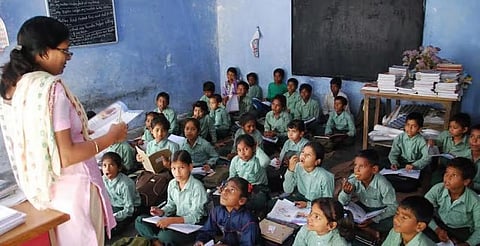
In Assam, rural education is not just about classrooms and textbooks; it is about addressing the broader challenges that these areas face. One of the primary issues is the lack of proper infrastructure in schools. Many rural schools in Assam are ill-equipped to meet the needs of their students. A large number of schools lack basic facilities like proper classrooms, furniture, toilets, and safe drinking water. The situation becomes even more problematic during the monsoon season, when many areas are cut off from the rest of the state due to floods. During such times, the already fragile educational system is further strained, making it nearly impossible for students to attend school regularly.
The issue of teacher shortages is another major concern. In rural Assam, there is a dearth of qualified teachers, particularly in remote areas. Often, schools are run by untrained teachers or are short-staffed altogether. This not only affects the quality of education but also leads to a high dropout rate. The situation is compounded by the fact that many teachers are unwilling to work in remote, underdeveloped areas due to the lack of amenities, difficult living conditions, and the lower salaries offered in comparison to urban areas. As a result, many students in rural Assam are deprived of a proper education, which in turn perpetuates the cycle of poverty and underdevelopment.
Apart from the physical infrastructure and teacher shortages, cultural and social factors also play a significant role in hindering educational progress in rural Assam. In many rural areas, education, especially for girls, is not always seen as a priority. Families often prefer to send their children to work rather than to school, especially in areas where agriculture is the primary livelihood. In tea gardens, for instance, children are frequently employed in the fields, which keeps them out of school. Similarly, in communities living along the riverbanks and in other rural pockets, children are often seen as contributing members of the household, and education is seen as a luxury rather than a necessity.
The government has initiated several programmes aimed at improving education in rural areas. The Mid-Day Meal Scheme, for example, is one such initiative designed to encourage students to attend school by providing them with free meals. This programme has seen some success in increasing enrolment rates, but it has not been enough to tackle the deeper issues. Furthermore, schemes like free textbooks and uniforms, while beneficial, fail to address the root causes of educational inequality in rural Assam.
One of the most significant challenges that rural students face is the poor quality of education. Even when they do attend school, many students receive a substandard education that does not equip them with the skills they need to succeed in life. The outdated curriculum, lack of practical knowledge, and reliance on rote learning further diminish the quality of education. In remote areas, where access to technology and modern teaching aids is limited, students often graduate without gaining any meaningful skills or knowledge. This leads to a cycle of underemployment, as many rural graduates are unable to secure jobs in the formal economy.
The dropout rate in rural Assam remains a major concern. Many students, particularly those in rural areas, leave school early due to the lack of interest, economic pressures, and poor academic performance. The high dropout rate is particularly alarming at the secondary level, where students face increasing difficulty as the education system becomes more complex and competitive. For many students in rural Assam, the decision to drop out of school is often driven by the pressing need to contribute to the family’s income. Girls are particularly vulnerable to dropping out, as they are often expected to help with household chores or get married at a young age.
The role of the community in shaping the educational landscape in rural Assam cannot be overstated. In many rural communities, the importance of education is not always understood. There is often a lack of awareness about the long-term benefits of education, and this is especially true in remote tribal areas. Educating communities about the value of schooling and creating awareness about the opportunities it brings is critical to improving education in these regions.
Efforts have been made by both the state and central governments to improve the situation. The Right to Education Act, which mandates free and compulsory education for children aged 6 to 14, has been a step in the right direction. However, the implementation of this act has been uneven, especially in rural Assam, where schools often lack the resources and support needed to provide quality education.
The Assam government has also launched several schemes aimed at improving the education system in rural areas. These include the establishment of new schools, the construction of more classrooms, and the provision of additional resources to existing schools. The state has also made efforts to increase the number of teachers through recruitment drives, though these have not always been sufficient to meet the demand. Despite these efforts, the overall impact on rural education has been limited, and much more needs to be done.
One of the ways to improve education in rural Assam is to provide better training and support for teachers. Teachers in rural areas often feel isolated and unsupported, and this can lead to burnout and low morale. Providing regular professional development opportunities, as well as creating a support system for rural teachers, would go a long way in improving the quality of education. In addition, the curriculum needs to be made more relevant to the needs of rural students. This includes introducing practical subjects such as agriculture, rural development, and vocational training, which would provide students with skills that are directly applicable to their lives.
The integration of technology into rural education also holds great potential. While internet access remains a challenge in many rural areas, initiatives like e-learning platforms, digital classrooms, and mobile learning can help bridge the gap. By providing students with access to online resources, rural schools can expose them to a broader range of learning materials, making education more engaging and relevant.
Another critical aspect is the role of local communities in supporting education. Community involvement in school management, decision-making, and awareness campaigns can play a crucial role in improving the educational outcomes for rural students. By fostering a sense of ownership and responsibility within the community, it is possible to create a more supportive environment for education. Local organisations, NGOs, and other community-based groups can also contribute by providing supplementary education and vocational training programmes.
In conclusion, the education system in rural Assam faces numerous challenges, from infrastructure issues and teacher shortages to socio-cultural barriers and economic pressures. However, these challenges are not insurmountable. With concerted efforts from the government, communities, and educational institutions, it is possible to improve education in rural Assam. The key lies in a holistic approach that not only addresses infrastructural and logistical issues but also promotes awareness, skill development, and community involvement. Education has the power to transform lives, and if Assam’s rural students are given the right opportunities, they too can aspire to a brighter future.
