
- Home
- Live Blog
- Breaking News
- Top Headlines
- Cities
- NE News
- Sentinel Media
- Sports
- Education
- Jobs
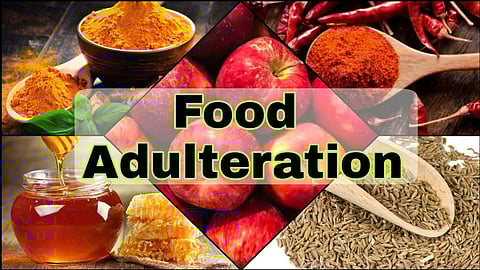
Food adulteration has emerged as a significant public health issue in India in recent times. There has been intentional addition of low-quality or harmful substances to food across the country, with fast economic gain remaining the most important objective. Food adulteration is common in India due to strong economic incentives for profit, weak enforcement of food safety laws, corruption, a complex supply chain, and low consumer awareness, especially in rural areas, creating an environment where unethical practices like diluting milk, adding cheap fillers to spices, or using substandard oils thrive, harming public health. And this has been happening despite the existence of regulatory organizations which have been given ample power to initiate legal proceedings against those found guilty. Nearly all food products come in various levels of adulteration, among which milk is said to be the most commonly adulterated item across the country. Openly sold loose milk is the most adulterated. In fact, milk adulteration is a significant public health and regulatory concern in India, with studies showing varying rates of adulteration using a range of substances from simple water dilution to harmful chemicals like detergents and urea. There is hardly any kind of edible oil in the market which is not adulterated, and these include mustard, coconut, groundnut, sesame, soybean, palm, sunflower, and olive oil too. Manufacturers frequently mix high-priced oils with lower-cost options such as palm oil, soybean oil, or cottonseed oil. While these might be edible, the mislabelling is a form of fraud and alters the nutritional profile and health benefits of the pure oil. Among spices, those available in powder form are generally easy to adulterate. Reports say that turmeric and chilli powder may be easily mixed with lead chromate, brick powder, or non-permitted artificial dyes like metanil yellow and Rhodamine B, both of which are said to be carcinogenic. Artificial colours and flavours are also added to mimic the appearance of pure oils, and in the case of ghee, vanaspati (hydrogenated fat) and animal fats are common adulterants. Consumption of adulterated edible oils in particular is linked to a wide range of health issues. These include heart problems and cardiovascular diseases, liver and kidney damage, digestive disorders, acidity and bloating, allergies and migraines, and severe conditions like Alzheimer’s, dementia, and cancer, especially of the gallbladder. There is a regulatory body called the Food Safety and Standards Authority of India (FSSAI), established in 2006 under an Act of Parliament to ensure food safety and combat adulteration. The FSSAI sets standards, conducts inspections, and penalises offenders, working alongside state authorities for enforcement, ensuring safe food for consumption through surveillance, testing, and consumer awareness initiatives. The sad part of the story is that despite the existence of a powerful regulatory body as well as several laws to tackle the menace, food adulteration continues under the very nose of the authorities.
