
- Home
- Live Blog
- Breaking News
- Top Headlines
- Cities
- NE News
- Sentinel Media
- Sports
- Education
- Jobs
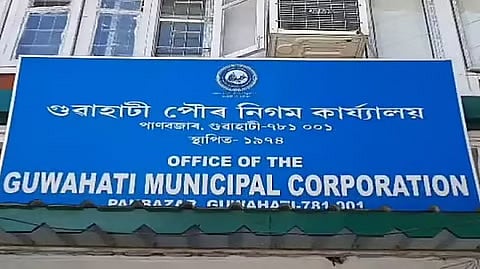
The Guwahati Municipal Corporation (GMC) warns shopkeepers that they will face trade licence cancellations if they are found using banned Single Use Plastic (SUP) items, which serves as a pragmatic deterrent to enforcement; however, the continued use of plastic carry bags or the sale of banned plastic items will significantly undermine the ban in the city. The GMC warning must reach every shopkeeper to ensure widespread awareness, and compliance with the use of plastic carry bags or selling banned plastic items will significantly reduce the ban. A sustained enforcement drive, not an occasional inspection exercise, is necessary to prevent persistent circulation of banned plastic items. Seizing banned items, like plastic bags of prohibited thickness, fails to stop their circulation because profits from using them outweigh losses from seizures. The cancellation of the trade licence will prevent them from carrying on with their business, and the shopkeepers will not risk a violation that could attract such punitive action by GMC. The corporation's ability to conduct frequent inspections of the shops and to cancel trade licences, as announced, will be critical in ensuring that traders take the warning seriously; refraining from violating the ban on plastic carry bags or selling banned plastic items will significantly reduce the circulation of these items. While halting the use of plastic carry bags and selling banned plastic items in shops will significantly reduce the circulation of these banned items, enforcing the ban among street vendors remains crucial for achieving comprehensive compliance and preventing such items from reaching consumers. Consumers discard plastic carry bags of prohibited thickness, which are used to bring home purchased items from shops and street vendors, because their utility is limited to single use, and they often request additional carry bags for daily purchases of groceries, vegetables, fish, meat, fruits, and other items. A section of irresponsible city residents litters the streets by discarding household waste packed in the polythene carry bags and making waste segregation and scientific waste management more challenging. If the GMC is able to choke the supply of prohibited plastic carry bags to retail outlets and street vending zones, then consumers heavily dependent on the single-use pack-and-carry plastic bags for shopping will be forced to switch to reusable alternatives such as clothes, jute or other environment-friendly carry bags. A large section of consumers persistently depends on plastic carry bags, despite sustained awareness campaigns about the dangers of environmental damage, highlighting the challenge of limitations in demand-side interventions. Without a change in consumer behaviour, a plastic ban alone cannot achieve its intended objectives, as evidenced by the persistent and widespread use of banned plastic carry bags in the city for daily shopping. The persistent demand for plastic carry bags comes from consumers who have benefited from the illegal circulation of banned plastic items. The appeal by GMC Commissioner Mrigen Sarania to the shopkeepers to use alternative eco-friendly packaging materials for selling items is a welcome step and deserves to be supported whole-heartedly by shopkeepers and consumers alike. The shopkeepers prefer to use the plastic carry bags, as a single-use thin polythene bag comes at a much cheaper price than the legal alternatives, which help them maintain the profit margin in daily sales. Retail shopkeepers manage to earn the profit from high-volume sales, as their profit margin for each item is usually low. When packaging material comes at a higher cost, it reduces their profit margin, while they are apprehensive of losing customers if they charge extra for the carry bags or packaging materials. Availability of affordable alternatives, therefore, remains crucial for the GMC commissioner's appeal to produce the desired result. For street vending, promoting the use of plantain leaf and areca nut leaf sheaths for wrapping fresh farm produce like fresh vegetables, herbs, etc. is a viable alternative and has already been successfully used even in modern shopping malls in some countries. The GMC can play a crucial role in promoting the alternatives so that both consumers and shopkeepers are encouraged to use them to sustain the enforcement of the plastic ban. Associations of traders and street vendors extending cooperation to the GMC in making the city free from prohibited substances (SUP) are essential to improve compliance. Similarly, residents of city wards reciprocate by changing their shopping behaviour and starting to use reusable carry bags for their daily shopping. This approach can be effective when an awareness campaign about plastic bans and reducing plastic pollution is combined with the active participation of citizens in these campaigns, linking them to changes in their daily shopping behaviour. Voluntary compliance with enforcement norms cannot happen automatically with the intensification of awareness campaigns. This approach also holds true for changing consumers' behavioural practices. Elected councillors can play an important role in spreading the appeal of the commissioner by promoting and pushing the awareness of the use of alternatives alongside the awareness campaign for the SUP ban. It is hoped that the GMC will carry its efforts as part of a 100-day initiative forward with meaningful intervention by combining enforcement with awareness to make the city SUP-free.
