
- Home
- Live Blog
- Breaking News
- Top Headlines
- Cities
- NE News
- Sentinel Media
- Sports
- Education
- Jobs
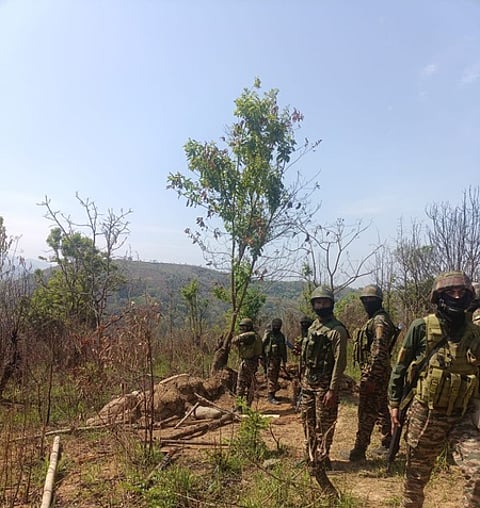
The barbaric attack by suspected militants which claimed the lives of two minor siblings and left their mother critically injured in the Bishnupur district in Manipur late on Monday night is a heinous crime and a desperate attempt by some armed groups to reopen old wounds in the trouble-torn state. The death of three more civilians and injury of 20 others, when security forces opened fire to foil an attempt by a violent mob to surge into a Central Reserve Police Force camp after a protest against the dastardly bomb attack on the minor siblings turned violent in the district on Tuesday, has added to the fragility of peace. Sustained and intensified operation to seize all illegal arms and ammunition in the state is critical to prevent escalation in the situation. Initial reports claimed the suspected militants fired a bomb with a mortar from the nearby hill areas’ district. Chief Minister Y. Khemchand, issuing a stern warning that those responsible for the dastardly bomb attack would be identified and dealt with strictly as per law, has given a clear message about dealing with the prevailing law-and-order situation with a firm hand. The sooner this goal is achieved, the better for the state, which has been grappling with armed ethnic violence for nearly three years. The state has been witnessing a series of violent clashes between armed groups belonging to the Kuki-Zo and Meitei communities since the trouble began on May 3, 2023. Earlier this year, tension gripped the Ukhrul district after clashes between armed groups of Kukis and Nagas in the Ukhrul district added to volatility in the law-and-order situation in the state. Over 200 people have been killed, and thousands of people have been displaced from their villages during the violent clashes, and the restoration of peace and normalcy is crucial for their safe return to their villages. It is very unfortunate that when Chief Minister Khemchand is leaving no stone unturned to restore peace and harmony among all communities in the state living in the hills and the valley areas, disruptive elements are hell-bent on destabilising the situation and preventing the restoration of permanent peace in the state. Suspension of internet services in five districts for three days is an unavoidable administrative measure to curb inciting of violence by anti-social elements by spreading hate speech, hate messages, graphic images, doctored information, and rumours through social media. As Manipur is strategically located, sharing a vast stretch of the India-Myanmar international border, persistent armed ethnic clashes and insurgent violence pose a grave threat to internal security in India’s Northeast region. Militants and other armed groups setting up bunkers in areas dominated by communities to which they belong, and operations carried out by security forces to seize illegal arms and ammunition and dismantle the illegal bunkers can achieve the desired objective of restoration of complete peace and normalcy only when the communities extend full cooperation. Insurgent groups in Assam laying their arms, returning to the mainstream, and signing peace accords to pave the way for permanent peace can be showcased by the Manipur government and the central government to wean the armed groups to give up the path of violence and sit across the negotiation table to end the decades-long conflict situation and create a conducive atmosphere for finding permanent solutions to their demands. The government patronising the saner voices in the state to embolden them to drum up support for peaceful resolutions of ethnic tensions through dialogue and discussions is of paramount importance to strengthen its peace efforts. Security forces intensifying their operations to seal India-Myanmar borders to prevent infiltration of armed elements from across the border and curb smuggling of small arms and narcotics is crucial for decisive action against troublemakers. The recovery of weapons and ammunition and the dismantling of bunkers set up by armed groups reflect efforts by security forces. Recurrence of armed attacks by suspected militants and violent clashes between armed groups even after such operations speak volumes about the gaps that continue to persist in the current security strategy, highlighting the need for a reassessment of tactics and improved intelligence sharing among forces. The situation calls for reviewing the effectiveness of the current strategy and adoption of more decisive, coherent, coordinated and time-bound actions by state and central forces. Ensuring that no collateral harm is inflicted on unarmed innocent civilians in an intensified security response to the outbreak of violence is crucial. Any civilian casualty, even when it is unintended, risks giving a handle to trouble mongers to manipulate the situation to undermine efforts by the government and civil society for the restoration of peace and harmony. Simply increasing security operations, seizing illegal arms and ammunition, and arresting those responsible for violent incidents and other troubles cannot ensure the restoration of lasting peace in the troubled state. Addressing the root political causes behind the prevailing situations is just as essential as the operations for durable and permanent solutions. The delay in restoration of peace in Manipur risks derailing India’s goal of anchoring the northeast region in India-ASEAN multilateral engagements and unlocking the region’s economic potential.
