
- Home
- Live Blog
- Breaking News
- Top Headlines
- Cities
- NE News
- Sentinel Media
- Sports
- Education
- Jobs
Dr Suman Bharali
(dr.s.bharali@gmail.com)
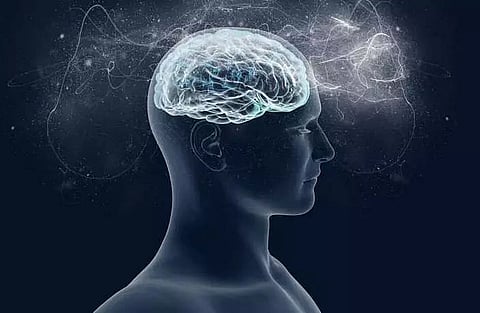
Our mind can be our greatest friend or it can be our biggest enemy. It can lead us to do miraculous good activities or it can compel us to do the worst deeds. Some minds can heal people and some can kill people. Some are engaged in making the world a better place for all. Some minds are spreading hatred, and violence and destroying the harmony of the universe and its components. We should be conscious of our minds. We should be aware of which way it is dragging us. Also, we should be aware of the minds of the people connected to us and around us.
On observation, we find that sometimes we are acting normal and doing our activities as usual and then a thought pops out and the mind is hacked. Soon the thought amplifies and takes us far away before we are aware of it. A single thought grows tentacles and many thoughts are linked with it. Soon we find ourselves in a different mood and our speech, action and behaviour change. Our mind is very fast and can take us very far in the context of time and space. We get influenced by a thought of a distant past or far away future. We can think of people close to us or very far from us. We can be involved in the thought of a place we are in or a distant place we never visited. We can be thinking about ourselves or about other people.
Sometimes we feel good about ourselves and are proud of our achievements and survival. At other times we are disappointed with ourselves and get filled with guilt and resentment. We can get angry at ourselves for not acting as required.
Sometimes we are grateful to other people and feel like being loved and taken care of. At other times we are compassionate towards others and feel their pain. We want to reciprocate what we receive from others. We have faith in the goodness in people and the blessings of the almighty. At other times we become jealous and envy other people. We start to compare and compete with them and our ego is hurt if we can't win. Soon we become hateful, angry and violent toward them within our minds. It is then reflected in words and actions. Anger is like fire; it harms the one who holds it within him or her.
Sometimes thoughts of people deceiving, insulting or hurting us occupy our minds so much that we can't think of anything else. It takes away our peace, disturbs our sleep and diminishes our energy to do other activities. The more time we spend with these thoughts more we lose our precious time which could have been used in self-improvement, service to humanity or in creative thoughts and activities.
Our thoughts manifest in our words and actions. Our thoughts are influenced by the thoughts of people we interact with. They can be our family members, friends, co-workers etc. They are influenced by the people they are connected with. So, we are also indirectly influenced by the thoughts of the people they are connected. Thus, it is said that we are influenced by the thoughts of our friends and friends of their friends indirectly.
The pain or joy our forefathers experienced were reflected in their thoughts, words, actions and behaviours. Which were absorbed by our grandparents and then our parents through them. The thoughts, words, actions and behaviours of our parents and siblings have an effect on us. So, our mind is influenced by a lot of factors. The place we live, the community we belong to, the social and economic condition, the school we went to and the education we got, the people we met, our friends and home environment, the content we keep watching on television or mobile, the books we read, the news we get. So, we should be conscious about what we are feeding our minds. If we feed our mind with negative news, violent content, or anything that creates disharmony in society or increase greed and lust within us; soon these will influence our thoughts. We should not encourage people who talk negative about themselves, other people or situations. Our mind attains information through our five sense organs. So, we should feed them with positive inputs and avoid negative input through them.
When we become conscious of our thoughts, then we understand that we are not our thoughts. They are impermanent. They come and go with time just like the clouds in the sky. We should stop going deep into negative thinking when we become aware of it. We should break the chain of negative thoughts most of which are repetitive. We can change the place and activity we are doing at that moment for that. When we change the environment, take a break and do some other positive activity, our thoughts can change. We can go out and do some outdoor activities like walking in nature, talking with people, playing some sports, gardening, etc. Also, we can do some other activities like listening to music, watching a movie, series or a sports event; to change the monotonous thoughts which are the cause of anxiety or depression in many people. Then we can direct our thought and energy into some creative work. It will boost our confidence and give us a sense of accomplishment and self-worth.
As the positivity within us will increase, our thoughts will also become positive. The food we eat, our living space, daily routine and habits also influence our thoughts. We should eat fresh and recently cooked food and avoid stale, preserved or too much spicy and fried food. We should sleep adequately. We should follow a fixed sleeping and waking time. As our circadian cycle or biological clock adjusts itself with sleep and all the biological activities and secretion of biochemicals in our body depend on it. On average an adult should sleep for about 8 hours daily for the proper functioning of the body and the mind.
Our breathing can calm our minds and our thoughts become positive. Meditation also helps in finding answers to our questions. Giving some time daily to ourselves in silence is necessary for self-reflection and for creative ideas to come up.
We should keep ourselves clean, wear neat and tidy clothes, keep ourselves well groomed and maintain personal hygiene. These increase self-respect and confidence. And then our thoughts also become positive. We should keep our living space well organised, keep our rooms well ventilated, lighted and clean. We should make our bed daily and take care of little things. Wall colours, curtains, pictures, idols, and other items in the room might also influence our minds and thoughts. We should discard all the unnecessary and useless items from our room. Cluttering of old clothes, books, magazines, papers and other objects makes it congested and blocks the flow of positive energy. If we take care of all such small things, we attract positive energy from the universe and our thoughts become similar.
We should be conscious about the words we listen to or speak. The words have power. We attract what we say and become like that. So, we should not use derogatory, humiliating, insulting or disrespectful words towards others as well as ourselves. We should be polite and use positive words. We should not hurt people with our words, actions or even thoughts. Our words can turn an enemy into a friend or a friend into an enemy as well. Our relationships can become better with better communication and can also get damaged due to improper communication. However, smart we might look externally, once we open our mouths and speak people understand what is inside us. Speaking too much is as much harmful as keeping mum all the time. So, we should use our words judiciously. Positive words spread positivity and attract positivity. What we keep repeating manifests into reality, so we need to be conscious and not say negative things.
In Bhagavad Gita, it is said that the mind is freckle and difficult to control but through practice and renunciation it can be controlled. We should practice good habits, words, behaviours and actions and renounce bad ones. Then we can control our thoughts consciously. We should just remember that we are not our thoughts. We are the observer who observes the thoughts coming and going away. So, we should not act in impulsively under influence of our thoughts. Rather we should act consciously by detaching from the influence of our thoughts. We should be able to control our thoughts rather than being controlled by them.