
- Home
- Live Blog
- Breaking News
- Top Headlines
- Cities
- NE News
- Sentinel Media
- Sports
- Education
- Jobs
Siddharth Roy
(siddharth001.roy@gmail.com)
The observance of the 23rd Memorial Day of Aideu Handique at the Artist Aideu Handique Cultural Museum in Panidihingia is more than a local cultural event. Organised under the initiative of the Golaghat District Xahitya Xabha, with the cooperation of the Kamargaon Regional Xahitya Xabha and local residents, the occasion is a reminder of a forgotten chapter of Indian cinema and of a woman whose courage quietly changed the cultural history of Assam. In remembering Aideu Handique, we are not merely paying tribute to an artist; we are reflecting on society’s evolving relationship with art, women, and recognition.
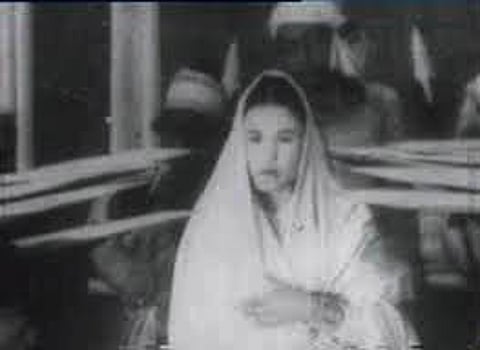
Aideu Handique occupies a unique place in Assamese cultural history as the first Assamese woman to act in a film. She played the lead role in Joymoti (1935), the first Assamese feature film, directed by Jyoti Prasad Agarwala, a towering figure of Assam’s cultural renaissance. At a time when cinema itself was new and viewed with suspicion, especially for women, Aideu Handique’s decision to step in front of the camera was an act of remarkable bravery. It was not just a personal choice but a cultural leap that challenged deeply rooted social norms.
The Assam of the 1930s was a conservative society where women appearing in public performances, let alone films, were often judged harshly. Acting was not considered a respectable profession, and cinema was regarded as morally questionable. Against this backdrop, Aideu Handique, then a young girl from Golaghat, agreed to portray Joymoti, the Ahom princess who symbolised sacrifice, courage, and resistance against injustice. The irony is striking: while she played a heroic historical figure on screen, her own contribution would go unrecognised for decades.
Joymoti itself was ahead of its time. It was not a commercial success when it was released, but it laid the foundation of Assamese cinema. The film carried strong political and cultural messages, focusing on patriotism, resistance to oppression, and the dignity of sacrifice. Aideu Handique’s performance, though untrained and shaped by the limitations of early cinema, carried emotional depth and sincerity. She became the face of Assamese cinema’s birth, even if history was slow to acknowledge it.
The personal cost of her pioneering role was high. After the film’s release, Aideu Handique faced social stigma and isolation. She did not go on to act in more films, nor did she receive public recognition during her lifetime. She lived a life far removed from the limelight, while the Assamese film industry slowly grew on the foundation she helped lay. This silence around her contribution reflects a broader pattern in society, where women pioneers are often celebrated late, if at all.
It was only many years later that Assam began to rediscover Aideu Handique. Scholars, writers, and cultural organisations started to speak about her role, placing her where she belonged in the narrative of Assamese cinema. The establishment of the Artist Aideu Handique Cultural Museum in Panidihingia is part of this effort to correct historical neglect. The museum serves not just as a memorial but as a space for learning, reflection, and cultural continuity.
The 23rd Memorial Day observance at the museum, supported by literary bodies and local residents, shows how collective memory is shaped at the grassroots. Such initiatives play a crucial role in keeping cultural history alive, especially in a time when popular narratives often overshadow quieter, more complex stories. The involvement of Xahitya Xabha organisations is particularly significant, as literature and cinema in Assam have always been closely linked in their role of social reform and cultural expression.
Aideu Handique’s story also invites a broader reflection on how we value cultural labour. Cinema today is a powerful industry, offering fame, wealth, and influence. Yet its early pioneers worked without certainty, support, or reward. Remembering figures like Aideu Handique reminds us that cultural progress is built on personal risk and sacrifice. It also challenges us to ask whose stories are remembered and whose are forgotten.
Her life holds special relevance in contemporary discussions about women’s participation in creative fields. While women today have greater visibility in cinema and the arts, questions of representation, respect, and recognition remain. Aideu Handique’s experience underscores the importance of creating supportive social environments where artistic expression is not punished by prejudice. Her courage continues to resonate as an early assertion of women’s agency in public cultural life.
For younger generations, especially students and aspiring artists, Aideu Handique’s legacy offers inspiration beyond glamour. It teaches that being first often means being alone, misunderstood, and overlooked, but that such acts can shape history in lasting ways. Memorial days and museums matter because they connect these lessons to lived spaces and real communities.
As Assam reflects on its rich artistic heritage, figures like Aideu Handique deserve a central place. The state has produced poets, musicians, filmmakers, and thinkers who have shaped its identity, but their contributions must be remembered with honesty, including the social struggles they faced. Honouring Aideu Handique is also an act of acknowledging past injustices and learning from them.
The observance of her 23rd Memorial Day is thus not only about remembrance but also about responsibility. It reminds cultural institutions, governments, and society at large to preserve artistic history with care and inclusiveness. Recognition should not come decades too late, nor should pioneers fade into obscurity because their courage made others uncomfortable.
In remembering Aideu Handique today, Assam affirms that its cultural journey is incomplete without acknowledging those who walked difficult paths so that others could follow more freely. Her life and work remain a quiet but enduring reminder that true pioneers often speak through their actions and that it is up to society to listen, remember, and honour them.
