
- Home
- Live Blog
- Breaking News
- Top Headlines
- Cities
- NE News
- Sentinel Media
- Sports
- Education
- Jobs
Himangshu Ranjan Bhuyan
(hrbhuyancolumnist@gmail.com)
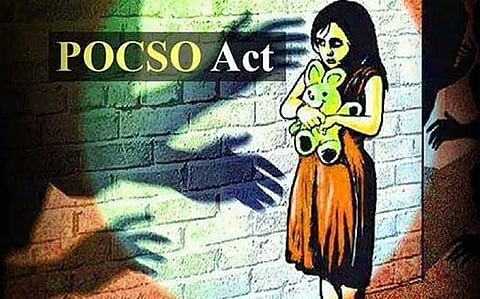
Children represent the future strength of every nation. Their safety, dignity, and healthy development are not merely personal or family concerns; they are matters that shape the moral character and social progress of an entire society. A child who grows up in an environment of security and care becomes a confident citizen capable of contributing positively to the nation. However, the increasing incidence of sexual offences against children has emerged as one of the gravest challenges facing modern society. Such crimes inflict deep physical, emotional, and psychological wounds that often remain with victims throughout their lives. Recognizing the urgent need to address this issue, India enacted the Protection of Children from Sexual Offences Act, 2012, widely known as the POCSO Act. This landmark legislation reflects the nation's commitment to safeguarding children from sexual abuse and exploitation while ensuring justice for victims and accountability for offenders. The Act serves as a moral declaration, emphasising the need to protect the innocence, dignity, and rights of children in all circumstances.
The POCSO Act was introduced to create a comprehensive legal framework capable of addressing every form of sexual offence committed against children. Prior to its enactment, gaps existed within the legal system that often made it difficult to effectively prosecute crimes involving child sexual abuse. The Act sought to remove these limitations by clearly defining various forms of sexual offences and prescribing appropriate punishments for each. It recognises every person below the age of eighteen as a child and extends equal protection irrespective of gender. This inclusive approach reflects the understanding that all children, whether boys or girls, are vulnerable to abuse and deserve equal legal safeguards. The legislation covers a broad range of offences, including penetrative sexual assault, aggravated sexual assault, sexual harassment, and the use of children for pornographic purposes. By defining these offences with precision, the Act reduces ambiguity and strengthens the ability of law enforcement agencies and courts to respond effectively. The law also acknowledges that sexual abuse can occur not only through physical contact but also through verbal, emotional, and digital means, making it particularly relevant in contemporary society.
One of the most remarkable aspects of the POCSO Act is its child-centric approach. Traditional criminal justice systems often place victims under considerable stress during investigation and trial. Children, because of their age and emotional vulnerability, are especially susceptible to trauma when required to recount painful experiences repeatedly. The Act attempts to address this concern by introducing procedures designed to protect the child's emotional well-being throughout the legal process. It mandates that statements be recorded in a child-friendly manner and discourages practices that may intimidate or traumatise the victim. Special courts have been established to ensure speedy trials and sensitive handling of cases. These courts are expected to create an environment where children feel safe enough to speak openly without fear or embarrassment. The Act further emphasizes confidentiality by protecting the identity of child victims from public disclosure. Such provisions demonstrate a recognition that justice for children extends beyond punishing offenders; it also involves preserving the dignity and mental health of survivors.
Viewing the POCSO Act in the context of protecting girl children highlights its significance. Across many societies, girls remain disproportionately vulnerable to sexual violence, exploitation, and discrimination. Cultural prejudices, unequal power structures, and deeply rooted gender biases often increase their exposure to abuse while simultaneously discouraging them from reporting offences. The Act serves as a powerful legal shield against such injustices. It sends a clear message that society will not tolerate crimes against girls and that perpetrators will face serious consequences. Beyond legal protection, the legislation reinforces the principle that girls have an unquestionable right to safety, dignity, and equal opportunity. It helps challenge social attitudes that have historically marginalized victims and encourages families and communities to support survivors rather than stigmatise them. By strengthening accountability and promoting awareness, the Act contributes to the broader goal of creating a society where girls can grow, learn, and pursue their aspirations without fear.
Despite its progressive provisions, the effectiveness of the POCSO Act depends largely on its implementation. One of the major challenges remains the lack of awareness among large sections of the population. In many rural and remote areas, families are unfamiliar with the protections offered by the law and the procedures available for reporting offences. As a result, numerous cases remain unreported, allowing perpetrators to escape accountability. Social stigma further complicates the situation. Many families hesitate to report incidents because they fear public scrutiny, damage to reputation, or social ostracism. Such concerns often silence victims and prevent them from receiving the support and justice they deserve. The persistence of victim-blaming attitudes also discourages reporting and reinforces a culture of silence. Addressing these issues requires sustained public education campaigns aimed at increasing awareness about child rights, legal protections, and the importance of reporting abuse. Communities must be encouraged to view survivors with empathy and understanding rather than suspicion or judgement.
Another challenge lies within the criminal justice system itself. Although the Act provides for special courts and emphasizes speedy disposal of cases, delays often occur due to heavy workloads, shortages of trained personnel, and procedural complexities. Prolonged legal proceedings can intensify the emotional suffering of child victims and their families, sometimes discouraging them from pursuing justice altogether. Effective implementation therefore requires continuous investment in infrastructure, training, and institutional capacity. Police officers, prosecutors, judges, medical professionals, and child welfare personnel must receive specialized training to ensure that they understand both the legal and psychological dimensions of child sexual abuse cases. Sensitivity, professionalism, and coordination among agencies are essential for delivering justice in a manner that respects the needs of child victims. Strengthening institutional mechanisms will improve conviction rates and enhance public confidence in the legal system.
Legal measures alone, however, cannot eliminate child sexual abuse. Sustainable change requires a transformation in social attitudes and cultural norms. Education plays a crucial role in this regard. Children should be taught about personal safety, bodily autonomy, and the difference between appropriate and inappropriate behaviour from an early age. Age-appropriate discussions on these topics can empower children to recognize warning signs and seek help when necessary. Schools have a significant responsibility in promoting awareness and creating safe environments where students feel comfortable discussing concerns. Equally important is the role of parents. Open communication between parents and children builds trust and makes it easier for children to disclose experiences of discomfort or abuse. Families that encourage honest dialogue are better positioned to identify risks and provide support when needed. Creating a culture where conversations about child safety are normal rather than taboo is an essential step toward preventing abuse.
Rehabilitation and recovery form another critical dimension of child protection. Sexual abuse leaves scars that extend far beyond the immediate incident. Victims may struggle with anxiety, depression, low self-esteem, trust issues, and a range of emotional and behavioural difficulties. The POCSO Act recognises the importance of providing comprehensive support services to children affected by sexual abuse. Counselling, psychological care, medical treatment, educational assistance, and social support are all necessary components of recovery. Rehabilitation should not be viewed as a short-term intervention but as an ongoing process tailored to the individual needs of each child. Families also require support, as they often face emotional distress and financial burdens while helping survivors recover. A compassionate and coordinated support system can make a profound difference in helping children rebuild their confidence and regain a sense of normalcy. Society must also take responsibility for ensuring that survivors are not subjected to discrimination or stigma, enabling them to move forward with dignity and hope.
The rise of digital technology has introduced new dimensions to the challenge of child protection. Social media platforms, messaging applications, and online communities have created opportunities for communication and learning, but they have also become avenues for exploitation. Cyber grooming, online harassment, and the circulation of child sexual abuse material are increasingly common concerns. Recognizing these realities, the POCSO Act extends its scope to address offences committed through digital means. Nevertheless, legislation alone cannot address every technological threat. Parents, educators, and children themselves must become more aware of online risks and adopt safe digital practices. Monitoring online activity, encouraging responsible internet use, and educating children about cyber safety are essential preventive measures. Law enforcement agencies must also continue strengthening their technological capabilities to identify offenders and respond effectively to cyber-enabled crimes against children.
The POCSO Act stands today as one of India's most important legal instruments for the protection of children, particularly girls. It represents a comprehensive effort to combat sexual abuse, support survivors, and hold offenders accountable. Yet the law can achieve its full potential only when supported by widespread public awareness, efficient institutions, and a collective commitment to child welfare. Protecting children is not solely the responsibility of governments, courts, or police agencies. It is a shared obligation that belongs to parents, teachers, community leaders, social organizations, and ordinary citizens alike. Every child deserves the opportunity to grow up in an environment of safety, respect, and freedom. The true measure of a society's progress lies in how effectively it protects its most vulnerable members. By embracing the spirit of the POCSO Act and working together to eliminate abuse and exploitation, society can move closer to building a future where every child is able to live, learn, and dream without fear.
