
- Home
- Live Blog
- Breaking News
- Top Headlines
- Cities
- NE News
- Sentinel Media
- Sports
- Education
- Jobs
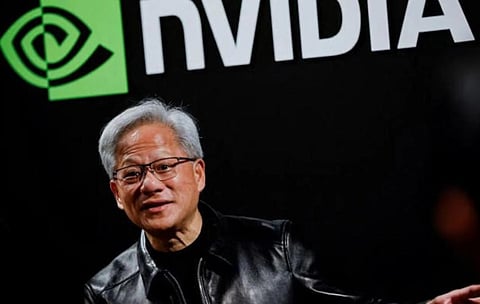
WASHINGTON ,DC: Former Nvidia CEO Jensen Huang has agreed to testify before US congressional committees over his reported ties with a woman suspected of having links to Chinese intelligence, as Republican lawmakers step up their investigation into potential national security implications surrounding the chipmaking giant.
According to CNN, House Republican leaders are negotiating with Huang and Nvidia for a closed-door briefing before key congressional committees, potentially as early as next week. Fox News also reported that Huang is expected to testify before Congress before Thanksgiving, as scrutiny grows over his reported association with the woman.
House Foreign Affairs Committee Chairman Brian Mast told reporters that Huang had tentatively agreed to appear before lawmakers on Wednesday night, shortly before his resignation from Nvidia.
Mast, along with two other Republican committee chairmen, had formally requested Huang's testimony on November 4, seeking answers about his relationship with the woman suspected of working for Chinese intelligence and the company's security protocols.
Following Huang's resignation on Thursday, Republican lawmakers have indicated that his testimony has become even more important to their ongoing investigation.
Mast said the committees were prepared to issue a subpoena if Huang withdrew his agreement to testify.
Although it remains unclear whether the proceedings will be made public, Mast said the testimony would be, at a minimum, "under oath and transcribed and video recorded".
The congressional investigation is also expected to extend beyond Huang, with lawmakers seeking testimony from other senior Nvidia officials. Mast said the committees were interested in hearing from other "entities within Nvidia that are parallel to Jensen and his work", CNN reported. Rep. John Moolenaar, who chairs the House Select Committee on the Chinese Communist Party, said Huang's testimony would be important in understanding the extent of potential Chinese intelligence access to sensitive American technology and information.
"I think it's important that we understand Chinese intelligence, how they worked in this situation, and what information and what privileged information they had access to, as well as what advocacy they had for certain policy positions," Moolenaar said. The investigation has also brought renewed attention to the debate over US semiconductor exports to China, particularly given Huang's previous opposition to tighter restrictions on chip sales. (ANI)
