
- Home
- Live Blog
- Breaking News
- Top Headlines
- Cities
- NE News
- Sentinel Media
- Sports
- Education
- Jobs
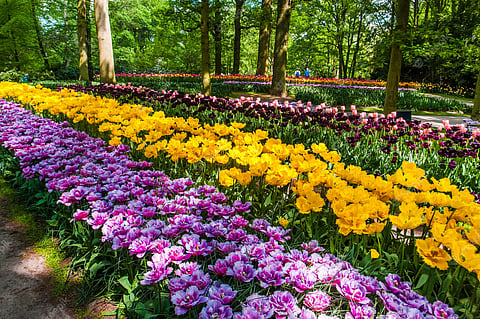
Now is the time to start thinking about the colour scheme that you want to use. Backgrounds in white and yellow are excellent choices since they attract attention. After that, you can begin with a more vibrant colour, such as blue, scarlet, or purple, as the primary colour.
Gardens of flowers are basically just pieces of land that are used to cultivate and exhibit flowers. Flower gardens are typically built to provide gardeners with a tranquil and soothing space in which they can enjoy their gardens and tend to their plants.
There are many different kinds of gardens. Gardens full of fruits, vegetables, and herbs produce the most nutritious nourishment. One of the benefits of gardening is that this saves the owners money at the grocery store and offers them a choice of fresh foods that are nutritious and, ideally, organic, as well as delightful, all during the growing season. Flower gardens are grown for reasons that are not particularly practical but are nonetheless very essential.
Backyards are transformed into secret gardens by cultivating fruits, vegetables, and herbs. A tiny bed might also be used to cultivate flowers that could be cut, arranged, or given as gifts. Flower gardens are typically located in the front yard, where they attract the attention of people walking by. They improve the appearance of the front yard as one of the benefits of gardening.
A soil knife, which may be used for planting bulbs, herbs, flowers, and vegetables; dividing plants; cleaning out weeds; removing cracks; cutting twine; and many other gardening tasks, should eventually find its way into the basic tool box of a gardener.
A garden hoe is designed for removing enormous amounts of roots and weeds, as well as digging trenches.
A garden spade or shovel.
Pruning shears are used to cut back plants, remove blossoms that are dead or withering, as well as remove branches and stems that are either damaged or do not meet aesthetic expectations.
A hose designed for use in many types of irrigation systems.
A device that cuts the roots of weeds just below the surface without causing damage to the roots of neighbouring plants or plants.
A wheelbarrow for carrying dirt and other materials for gardening.
A leaf rake for collecting leaves, grass, twigs, and other light debris.
A bow rake that can be used to level the soil as well as spread mulch, gravel, sand, and other materials. In addition to this, it might remove the heavy stuff from the garden beds.
A pruning saw is used to chop branches that are too large to be cut using shears or loppers.
A water-breaking device that is used to thoroughly saturate already-established plants and to carefully water newly planted seeds or cuttings.
Use scissors for a variety of gardening tasks, such as deadheading, trimming plants with delicate stems (such as herbs), snipping twine, and thinning perennials, amongst other uses for scissors in gardening.
When digging holes in densely packed areas of a garden bed, it is vital to use a transplant spade because of the limited space available.
A digging fork that can be used to turn and till unworked soil, incorporate additives, break up clods, and other similar tasks.
Gloves made of heavy-duty leather for tasks such as digging trenches, delivering firewood, clearing vegetation, and other similar activities.
Gloves made of washable synthetic material, ideal for tasks like as deadheading, sowing, and weeding.
When performing tasks that require getting your hands dirty and wet, such as raking leaves, planting shrubs, or working with cacti and other plants that have thorns, gloves made of Nitrile or cotton that have been wrapped in rubber should be worn.
When cutting thorny bushes or other plants that can irritate the skin, arm protection is essential.
One of the most useful gardening tips for beginners is to determine the kind of garden you want to grow and where on your property it will go. The following step is to make a decision regarding the kinds of plants that you intend to cultivate in that area. After you have completed your planning, the next step is to go out and purchase the necessary seedlings or seeds. Pick a place that gets plenty of sunlight for your company.
Groundwork
After picking a place, start working the soil to get a head start. Preparing the soil takes a lot of effort, so get your hands dirty by removing weeds, unwanted plants, rocks, and other trash as soon as possible. Preparing soil is laborious. You must dig up and shift the entire patch of sod. If you have bald spots in your lawn, transplant part of the sod you are removing from your garden to the patchy areas. You can transplant part of the sod from your garden to patchy areas of your lawn. Although laborious, this first step is essential to make the gardening process easier. This is thus one of the most important gardening tips for beginners.
After clearing up the area where you will build your beds, build the beds and alter the soil for plant development. Bed construction has two options. Either build a raised bed or remove the sod and adjust the soil underneath. Most gardening stores and nurseries sell raised bed kits, but you can easily build one yourself using an online guide.
Add lots of organic stuff to improve your soil. Start those beds early and add nutritional elements because organic matter requires time to degrade. Leaves, grass clippings, manure, and kitchen compost all enrich the soil. When the soil is warm and somewhat moist, till your beds and amend them. The soil should not be too wet or dry. If the ground is pliable enough, you can roll it up into a ball with your fist and then smash it to pieces when you let go of it.
How To Plan For A Garden
There is only so much room available, regardless of how many garden beds you have or how large each one is. The easiest method to make the most of the available space is to carefully plan the positioning of your floral arrangements. It is also the most effective method for imagining the results of your labour once they have been completed. This advice is applicable to gardeners of all experience levels.
When planning the layout of your garden beds, keep in mind the size of the flowers. Do you like the larger blooms to have rows of smaller flowers surrounding them so that they can bask in the sun? You chose well. Now is the time to start thinking about the colour scheme that you want to use. Backgrounds in white and yellow are excellent choices since they attract attention. After that, you can begin with a more vibrant colour, such as blue, scarlet, or purple, as the primary colour. It would make a beautiful bed to have either a golden field with purple spots or a white field with red flashes. It's also possible to achieve a stunning effect with just two or three colours.
When selecting flowers, one thing is really necessary. Think about using flowers that thrive in settings that are similar if you want to share beds. Fortunately, there are a lot of flowers. When it comes to selecting flowers for your brand-new flower garden, you have a lot of freedom and creativity at your disposal thanks to the abundance of wonderful, time-tested combinations.
Plant, Nourish, And Enjoy Flowers
Once you have a firm grasp on the concept, you can begin planning the layout of your garden. Once they are planted, be sure to provide them with adequate water and fertilizer to reap the maximum benefits of gardening.
When your plants and flowers have matured to their full potential, you should pause for a moment to appreciate all of the labour that went into tending to them in order to bring out their best qualities. It takes a great deal of time and work to keep a beautiful garden up and running and maintained. Regular expressions of thanks are required of those who are responsible for the upkeep of the plants and grounds.
Also Watch: