
- Home
- Live Blog
- Breaking News
- Top Headlines
- Cities
- NE News
- Sentinel Media
- Sports
- Education
- Jobs
Neelim Akash Kashyap
(siddharth001.roy@gmail.com)
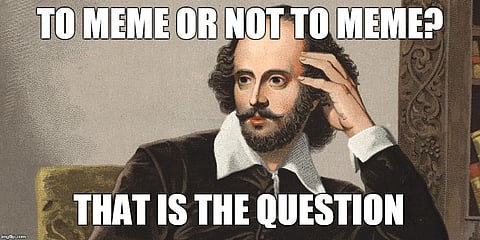
Political conversations in India have always evolved with changing times. Once, public meetings, newspapers, tea stalls and television debates were the primary platforms where ideas were exchanged and opinions were formed. Today, much of that discussion has shifted online. Social media platforms have become powerful spaces where young people express their views, frustrations and aspirations. In this digital landscape, memes have emerged as one of the most influential forms of communication.
At first glance, memes may appear to be nothing more than humorous images or jokes shared for entertainment. However, their growing popularity among young Indians reveals a deeper reality. For many, memes have become a language through which they discuss social issues, economic challenges and personal struggles. They are not simply tools of amusement; they are a reflection of contemporary life.
India is home to one of the world's youngest populations. Millions of young people are pursuing higher education, preparing for competitive examinations and searching for meaningful careers. They are more connected to the world than any previous generation, thanks to smartphones and affordable internet access. This connectivity has expanded horizons and raised aspirations. Young Indians dream of professional success, financial independence and a better quality of life.
Yet achieving these ambitions is often far more difficult than it seems. Competition for educational opportunities and employment remains intense. Many graduates spend years preparing for examinations or searching for jobs that match their qualifications. Rising living costs and economic uncertainties add further pressure. At the same time, social media constantly showcases stories of success, luxury and achievement, creating expectations that can feel overwhelming. Faced with these realities, many young people have turned to humour as a coping mechanism. Memes allow them to express disappointment, anxiety and frustration in a way that is relatable and engaging. A single image paired with a clever caption can communicate emotions that might otherwise require lengthy explanations. Through memes, individuals find a sense of connection with others who share similar experiences. This trend has given rise to a unique form of digital culture. Viral phrases, satirical expressions and fictional online movements often gain popularity because they capture a collective mood. They provide a creative outlet for discussing serious issues without the weight of formal political language. In many cases, humour becomes a tool for highlighting concerns that might otherwise go unnoticed.
The rise of meme culture also reflects changing attitudes toward public discourse. Today's youth stay informed about national events, economic developments, and social challenges. However, many feel that traditional forms of political communication do not always address their everyday realities. Memes offer an alternative way to participate in conversations about society. They are quick, accessible and capable of reaching millions within a short period.
Economic pressures have played a major role in shaping this phenomenon. Concerns about employment, housing, education and financial stability are common topics in online humour. Beyond economics, discussions about mental well-being have become increasingly visible. Academic pressure, workplace stress and the constant demands of digital life can create emotional fatigue. In such circumstances, humour often serves as a form of resilience. At the same time, memes have limitations. They can draw attention to problems, but they cannot solve them. Meaningful change requires discussion, civic engagement and thoughtful policymaking. Humour may start a conversation, but progress depends on action. Nevertheless, the popularity of memes offers valuable insight into the mindset of modern India's youth. Behind the jokes and satire lies a generation trying to make sense of a rapidly changing world. Their humour reflects not only frustration but also adaptability, creativity and determination.
As India continues to grow and transform, understanding these forms of expression becomes increasingly important. Memes may seem informal, but they reveal genuine concerns about opportunity, security and the future. The language may be new, yet the message is familiar: young people want their voices to be heard. In that sense, memes are more than internet entertainment. They are the digital-age slogans of a generation seeking recognition, participation and hope in an increasingly complex world.
