
- Home
- Live Blog
- Breaking News
- Top Headlines
- Cities
- NE News
- Sentinel Media
- Sports
- Education
- Jobs
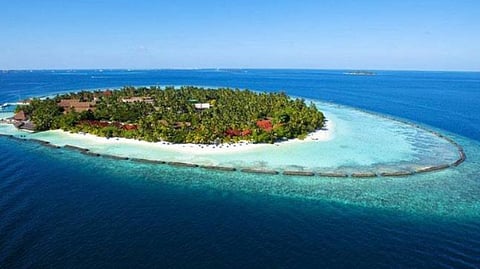
Guwahati: Narendra Modi and especially his government seem to be in a spree to rename the places that already exist and are doing well with their old names. As a latest such initiative, it is now the turn for the islands in Andaman and Nicobar to undergo a change in their names. Three islands, namely, the Ross Island, Neil Island, and Havelock Island will be renamed by the prime minister of the nation when he visits the union territory on Sunday.
As reported by the government, the new names of the Ross Island, Neil Island and Havelock Island will be Netaji Subhash Chandra Bose Island, Shaheed Dweep and Swaraj Dweep, respectively. The formal announcement of the names of these islands will be made on December 30 when Modi will visit Port Blair. The formalities necessary for changing the names of these three popular islands in Andaman and Nicobar has already been completed.
The new names of the islands, as it sounds, are pretty much Indian and in fact, are quite Hindu in contrast to the existing names of the islands which will perhaps create certain confusion and difficulty for the regular users of these names. However, the foreign tourists might also find it troublesome to even pronounce the names of these new islands, forget about even memorizing these names.
Prime Minister Modi’s visit to Port Blair will be accompanied by Home Minister Rajnath Singh. The event will comprise of hoisting a 150-meter-high national flag at Port Blair which will mark the 75th anniversary of freedom fighter Subhas Chandra Bose's declaration of the formation of the Azad Hind government in 1943.
It was Subhas Chandra Bose who had first hoisted the flag after the Japenese captured the area way back in the Second World War. In fact, it was Netaji himself who had this idea that the Andaman and Nicobar Islands be renamed as Shahid and Swaraj Dweep. However, it is to retain the interest of the freedom fighter that the Modi government has taken this step of renaming the islands.
Previously, the Havelock Island was named after British general Sir Henry Havelock.