
- Home
- Live Blog
- Breaking News
- Top Headlines
- Cities
- NE News
- Sentinel Media
- Sports
- Education
- Jobs
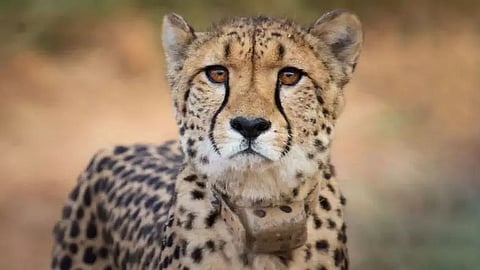
NEW DELHI: Project Cheetah took off about as swiftly as the cheetah, but whether it meets the same end as the big cat in the wild, is turning out to be a major looming concern. In a very first such endeavour world-wide, eight Namibian cheetahs were brought in by the Government of India in September, and then 12 followed from South Africa in February. They were put in Kuno National Park in Madhya Pradesh. The cats traversed 8,000 kilometres to make Project Cheetah a reality. It is intended that India has 40-45 cheetahs within the coming decade. In India, cheetahs had gone extinct in 1952. But with Project Cheetah, the Central government has initiated to diversify and revitalise India's wildlife and habitats. Translocation has uprooted cheetahs from their natural habitat in Africa and placed them in a mock-natural habitat in the limited Indian scrub forests of Madhya Pradesh.
South African wildlife expert, who is closely associated with Project Cheetah, Vincent van der Merwe's recent comment is nothing short of an alarm and calls for a holistic attention to the possibility and reality of cheetahs in India. He said: "The mortality rate of these cheetahs amid their reintroduction will see a spike in the coming months." He anticipates 50 per cent mortality in the first year, however, recent deaths are said to be within acceptable range - except for the female that died from mating injuries. Over the last two months alone, six cheetahs including three cubs died at Kuno. Adult cheetahs have died of kidney ailments and cardio-pulmonary issues. Cubs have died of dehydration and from being too weak at birth. This points to the obvious question about how to best care of these felines, at least till the time their population stabilizes enough to leave the species to fend for themselves in the wild. (IANS)
Also Watch: