
- Home
- Live Blog
- Breaking News
- Top Headlines
- Cities
- NE News
- Sentinel Media
- Sports
- Education
- Jobs
OUR CORRESPONDENT
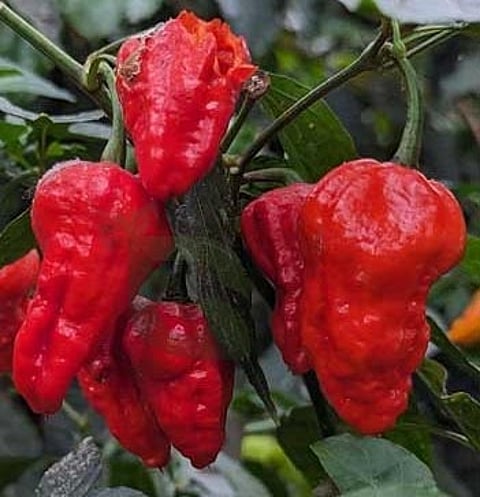
KOKRAJHAR: In a significant scientific discovery, the recent scientific investigations conducted at the School of Life Sciences, Jawaharlal Nehru University (JNU), New Delhi, have revealed that ‘Bhut Jolokia’, popularly known as ‘Ghost Chilli’, possesses a significant potential in reducing cancer tumour growth and size.
The studies were carried out in the laboratory of Prof. Nirala Ramchiary, professor at Jawaharlal Nehru University, New Delhi, and have provided important experimental evidence supporting the anticancer properties of Bhut Jolokia. Earlier research published in the journal ‘Drug and Chemical Toxicology (2019)’ demonstrated the apoptosis-inducing efficacy of compounds derived from Bhut Jolokia, indicating their ability to trigger programmed cell death in cancerous cells.
Ramchiary, hailing from the Baksa district of BTC, while informing The Sentinel, said that more recently, a 2026 study published in The Nucleus journal reported significant anti-cancer efficacy of Bhut Jolokia extracts in mouse models. He said the study observed a marked reduction of benzo(a)pyrene-induced tumour size and burden and modulation of key molecular pathways associated with carcinogenesis, particularly in lung tumour genesis models in mice. Dr Sarpras M., currently serving as assistant professor at Mahatma Gandhi Government Arts College, Mahe, Pondicherry, and the first author of these publications, expressed satisfaction with the outcomes of his research, stating that his PhD thesis focused on investigating the anticancer potential of Bhut Jolokia. He noted that the study has significantly advanced the scientific understanding of the anticancer properties of Bhut Jolokia, a pride of Northeast India that has long been used in traditional medicinal practices.
Prof. Nirala Ramchiary stated, “In Northeast India, there has been a long-standing belief that the high incidence of cancer may be linked to the consumption of highly spicy foods such as Bhut Jolokia. Our research looked into this issue using mouse models and found it especially important because the region has a high rate of lung, esophageal, and gastrointestinal cancers, which are affected by genetics, diet, environment, and lifestyle. He said that these preliminary findings suggest that Bhut Jolokia was not only a unique cultural and agricultural asset of Northeast India but also a promising candidate in cancer research. Sustained scientific efforts and strategic research funding will be essential to fully explore its therapeutic potential for regional and national health benefits.
Apart from these studies, Prof. Ramchiary’s laboratory is actively engaged in decoding the genomes of Bhut Jolokia and Kon Jolokia (Capsicum frutescens) and has identified genes responsible for the extreme pungency of these chilli species. These achievements are the result of more than a decade of dedicated research in the field. Bhut Jolokia (Capsicum chinense), one of the world’s hottest chillies and indigenous to Northeast India, has traditionally been an integral part of local cuisine and medicinal practices. Beyond its culinary importance, the chilli is rich in bioactive compounds, including capsaicinoids, carotenoids, flavonoids and other secondary metabolites that are increasingly recognized for their antioxidant, anti-inflammatory and chemopreventive properties.
Also Read: Assam: Jorhat District Selected to Produce Bhoot Jolokia Under ODOP Scheme
