
- Home
- Live Blog
- Breaking News
- Top Headlines
- Cities
- NE News
- Sentinel Media
- Sports
- Education
- Jobs

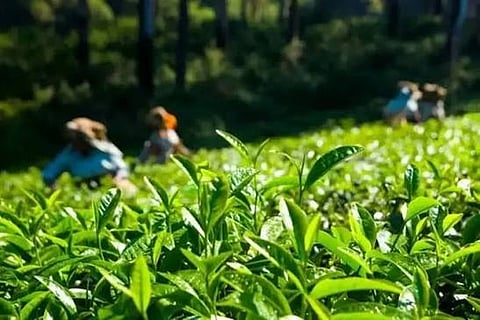
Guwahati: The Tea Association of India (TAI) has welcomed the Assam Government's 2026–27 Budget, describing it as one of the most progressive and forward-looking budgets for the state's tea industry.
Presented by Finance Minister Jayanta Malla Baruah in the Assam Legislative Assembly, the Budget places strong emphasis on capital expenditure, long-term sustainability and targeted support for the tea sector, which remains a key driver of the state's economy and employment.
Among the major announcements is an increase in the Orthodox tea production subsidy under the Assam Tea Industries Special Incentive Scheme (ATISIS) 2020 from Rs 10 to Rs 15 per kilogram. The government has also included Matcha tea under the eligible category of Orthodox and speciality teas and introduced a new subsidy for export-oriented premium Assam CTC tea, measures expected to boost exports and increase foreign exchange earnings.
The Budget also proposes reducing Value Added Tax (VAT) on piped natural gas from 14.5 per cent to 5 per cent, a move expected to lower production costs for tea estates connected to the gas network.
To diversify revenue opportunities, the government will launch the Assam Tea and Golf Trail, an integrated tourism initiative combining the state's globally renowned tea estates with its championship golf courses. Developed in partnership with tea estates, the tourism and hospitality sectors and local communities, the project aims to promote tea tourism, attract high-value domestic and international visitors and create additional economic opportunities for the industry.
The Budget further focuses on improving the welfare of tea garden workers by strengthening tea garden hospitals through upgraded infrastructure, better diagnostic facilities, medicines, medical equipment and the deployment of dedicated healthcare professionals. Healthcare services will also be expanded to remote tea garden areas through Atal Mobile Medical Units, Arogya Biman medical drones, hospital ships, Jan Aushadhi Kendras and enhanced telemedicine facilities.
The government has also decided to continue the Rs 15,000 wage compensation scheme for pregnant women in tea garden areas, with the aim of improving maternal healthcare and nutrition.
In addition, several social welfare initiatives have been proposed, including the construction of Mahaprabhu Jagannath Community Hall-cum-Skill Centres, houses under the Pradhan Mantri Awas Yojana-Gramin (PMAY-G), model high schools in tea gardens and pucca roads in labour lines.
The Tea Association of India said the combined impact of these measures would strengthen the long-term sustainability and economic viability of Assam's tea industry while improving the quality of life of tea garden communities across the state.