
- Home
- Live Blog
- Breaking News
- Top Headlines
- Cities
- NE News
- Sentinel Media
- Sports
- Education
- Jobs
STAFF REPORTER
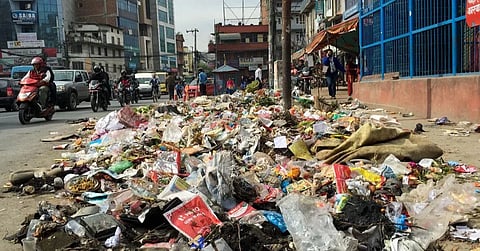
GUWAHATI: The Guwahati Municipal Corporation's (GMC) efforts to promote waste segregation at source continue to face challenges, with residents stressing the need for wider awareness, regular monitoring and separate waste collection to improve the city's sanitation system.
The GMC has urged households to separate waste into four categories - wet, dry, sanitary and special care waste - before handing it over for collection. Wet waste includes kitchen scraps and other biodegradable materials, while dry waste covers paper, plastic, metal and glass. Sanitary waste includes diapers and sanitary napkins, while special care waste comprises batteries, bulbs, expired medicines and electronic waste.
A Beltola resident said awareness campaigns should reach every locality and help households understand the importance of segregation. "Mixing all types of waste makes proper disposal difficult," the resident said.
A Hatigaon resident said segregation should become a daily habit rather than a response to official appeals. The resident also called for regular awareness drives and separate collection to encourage compliance.
An official familiar with civic waste management said the main challenge was ensuring that waste remained segregated during collection and transportation. The official stressed that public cooperation, sustained awareness and an efficient collection system were essential to making the process effective.
Consistent segregation can help prevent recyclable materials from being contaminated, improve the processing of organic waste and ensure that potentially hazardous household waste is handled separately. Residents said awareness efforts needed to be backed by reliable collection arrangements and regular monitoring.
