
- Home
- Live Blog
- Breaking News
- Top Headlines
- Cities
- NE News
- Sentinel Media
- Sports
- Education
- Jobs
STAFF REPORTER
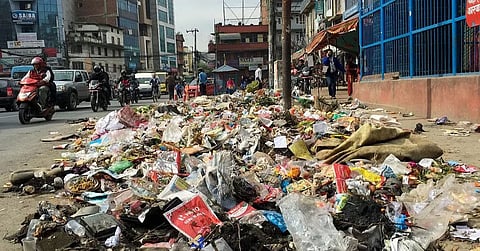
GUWAHATI: Garbage dumped along roadsides, clogged drains, plastic waste in water bodies, encroached footpaths and indiscriminate parking continue to highlight Guwahati's civic challenges, with residents and the municipal administration frequently blaming each other for the city's deteriorating conditions.
While citizens complain about inadequate civic services, the Guwahati Municipal Corporation (GMC) has repeatedly stressed the need for greater public participation and civic sense. Amid this exchange of blame, accountability remains central to resolving the city's persistent problems.
Residents expect the civic body to ensure regular garbage collection, maintain drainage systems and keep public spaces clean. However, the problem extends beyond municipal services, as littering and improper waste disposal continue to undermine cleanliness efforts across neighbourhoods.
Roads cleaned in the morning can be littered with plastic packets, bottles and food containers within hours. Similarly, drains cleared of accumulated waste can become dumping points again, increasing the risk of waterlogging during rainfall.
A city resident said effective garbage collection and regular monitoring by civic authorities were essential, but citizens also needed to stop treating public spaces as dumping grounds.
Shopkeepers, meanwhile, often cite irregular garbage collection as a reason for waste accumulating outside commercial establishments. Waste collectors, in turn, face the challenge of managing garbage generated by households and businesses across the city. The civic administration has a responsibility to provide essential services, enforce waste-management rules and take action against littering and illegal dumping. At the same time, the GMC has emphasised the importance of waste segregation at source and responsible disposal by citizens. Consistent enforcement and public cooperation are both necessary to improve civic conditions.
The recurring problems also raise questions about footpath encroachment, irresponsible parking and the misuse of public spaces. While inadequate infrastructure and inconsistent services can make compliance difficult, these shortcomings cannot justify indiscriminate dumping or obstruction of pedestrian pathways.
Civic sense extends beyond keeping streets clean. It involves following traffic rules, respecting public property and recognising that roads, footpaths and drains serve the entire community. Similarly, civic governance must go beyond announcing initiatives and ensure that services are delivered efficiently and consistently.
Guwahati's civic problems cannot be resolved through complaints alone. The municipal administration must be held accountable for service failures, while citizens must accept responsibility for their everyday actions.
Ultimately, the city's cleanliness and liveability depend on shared responsibility. The question is no longer merely who is responsible for the mess, but what the authorities and every citizen are prepared to do to fix it.
