
- Home
- Live Blog
- Breaking News
- Top Headlines
- Cities
- NE News
- Sentinel Media
- Sports
- Education
- Jobs
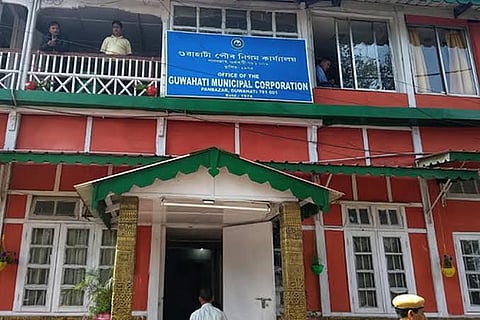
The Enforcement Branch of Guwahati Municipal Corporation seizing 150 bags of prohibited plastic items weighing around 3,750 kg in the city is a routine supply-side intervention to curb circulation of prohibited Single-Use Plastic (SUP). Persistent circulation of SUPs of prohibited thickness, despite seizure of banned plastic items by GMC authorities from time to time, lays bare a deterrence gap in the legal provisions. Unless city residents alter their shopping and disposal habits and retailers enforce demand-side compliance, the illegal flow of prohibited plastic items – especially the plastic carry bags that choke city drains – will never cease in the city. As long as plastic carry bags and other prohibited SUPs are available at retail shops, vegetable, fruit, fish, meat and food vendors, most city residents—except a small minority of environmentally conscious citizens—are unlikely to make carrying a cloth or reusable bag a habit. The seizure of banned plastic items, followed up vigorously with inspection of retail outlets, roadside vendor markets, and permanent fish, meat, and vegetable markets, is essential to break the supply chain. A one-off seizure will not bear fruit; only a sustained and intensified drive against banned plastic items carried out daily for a minimum of one month can effectively choke the supply chain and curb demands from retailers. Such an intensified operation covering the entire city will be crucial for producing a synchronised impact on residents, compelling them to alter their shopping and marketing habits. The effectiveness of the enforcement of the SUP prohibition is counted by seizures and inspections carried out by the Enforcement Branch of GMC but assessed by the extent to which residents eventually modify their behavioural practices. The primary reason for sustained demand from retailers and vendors for prohibited plastic carry bags is the cost involved for the transition, as their customers are not willing to pay extra for the reusable carry bags with permitted thickness to pack and carry purchased items. Ironically, the same customers who are ready to pay higher prices for buying groceries and other items from e-commerce or quick commerce which use alternative packaging materials or plastic carry bags of permitted thickness insist on free carry bags when buying grocery items from retail outlets or street vendors. While it is the responsibility of the enforcement branch of the GMC to enforce the SUP ban, the elected representatives of the municipality wards can play the crucial role of supplementing the efforts of the branch by initiating daily interaction with residents, shop owners and vendors in their respective wards and urging the people to use a cloth or reusable bag while going for daily shopping. However, the residents carrying their own bags alone cannot curb the use of prohibited plastic bags. While it will make street vendors and the vendors in the permanent fish, meat and vegetable markets stop using banned plastic bags for packing items, the demand from retailers for cheap pack-and-carry bags will persist if consumers are not ready to pay extra for permitted packaging materials such as brown kraft paper bags. Small-scale packaging is still required for packing loose rice, pulses and sugar, and using brown kraft paper bags comes with a higher cost compared to cheaper plastic carry bags, and it adds an average of Rs 25 to Rs 50 every week to the grocery bill. If the retailer provides these brown paper bags for free, then it also raises the grocery bill as they absorb the expenditure in inflated prices of items. Compared to the environmental cost in the long run due to the use of SUP carry bags, the residents making an informed decision to pay the extra amount is essential for sustainable living in Guwahati city. The use of biodegradable paper bags will significantly reduce the intensity of the problem of plastic carry bags choking Guwahati’s drainage network and aggravating waterlogging in different localities and also the problem of carry bags irresponsibly disposed of by some people littering the streets. Unlike plastic carry bags, grocery-grade paper bags cannot be used for dumping wet kitchen waste such as food refuse onto the streets, as the paper bags are made for dry items, and when wet waste is put in them, due to the absorption of moisture, the strength of the paper bags becomes weak and ruptures. The brown paper bags cannot be replaced with newspaper bags made by some retailers from discarded newspapers for packing grocery items, as the Food Safety Standards Authority has banned the use of newspapers for wrapping or packing food items due to health hazards. The shoppers and retailers will stop demanding cheaper banned plastic carry bags when they are made aware of the adverse environmental impact and how the use of kraft brown paper bags can ensure environmental sustainability and influence behavioural practices of residents. Addressing Guwahati’s problem of illicit circulation of banned SUPs demands prioritising the entire demand-supply matrix through sustained enforcement.
