
- Home
- Live Blog
- Breaking News
- Top Headlines
- Cities
- NE News
- Sentinel Media
- Sports
- Education
- Jobs
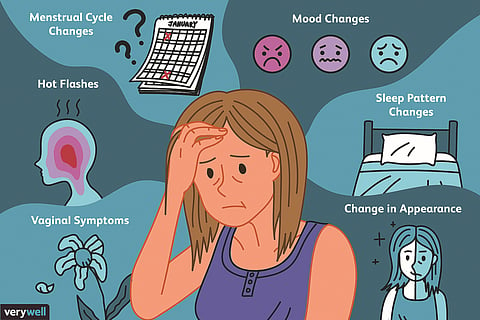
Perimenopause, the transitional phase before menopause, can begin as early as age 35 and is increasingly being recognised by women through shared experiences on social media. While commonly associated with irregular periods and hot flashes, experts say the condition often presents with a much broader range of symptoms that are frequently mistaken for normal ageing.
According to functional medicine practitioner Mugdha Pradhan, hormonal fluctuations during perimenopause affect more than reproductive health. Changes in estrogen and progesterone levels can influence sleep, energy, mood, blood sugar regulation, inflammation, stress response and brain function. As a result, many women experience symptoms such as anxiety, fatigue, weight gain, brain fog, mood swings, irritability, sugar cravings and digestive issues long before menopause begins.
Dr Nidhi Rajotia, Unit Head of Obstetrics and Gynaecology at Artemis Hospitals, said less-recognised symptoms may include poor concentration, sleep disturbances, joint pain, headaches, heart palpitations and sudden fatigue. She noted that changes in skin, hair and weight are also common, and symptoms can vary significantly from month to month.
Some women report unusual experiences that are difficult to explain. These include forgetfulness, sensations of something crawling on the skin, unexplained body aches, and even visual or auditory disturbances. While not every woman will experience such symptoms, experts say they can be linked to hormonal changes associated with perimenopause.
Health specialists emphasise that lifestyle modifications are often the first line of management. A balanced diet rich in protein, fruits, vegetables, whole grains and calcium can help support overall health, while adequate hydration and limiting caffeine, alcohol and processed foods may reduce symptoms.
Regular exercise, particularly strength training, is recommended to maintain bone health, metabolism and insulin sensitivity. Stress-management practices such as yoga, breathwork and ensuring quality sleep can also help regulate the nervous system and lessen symptom severity.
For women whose symptoms significantly affect daily life, experts say hormone replacement therapy, when prescribed and monitored appropriately, may offer relief. However, they stress that medical treatment should be combined with healthy nutrition, exercise and stress-management strategies for the best outcomes. (Agencies)
Also Read: Jennifer Winget to Marry Singapore-Based Businessman William Ishmael This Year: Reports
