
- Home
- Live Blog
- Breaking News
- Top Headlines
- Cities
- NE News
- Sentinel Media
- Sports
- Education
- Jobs
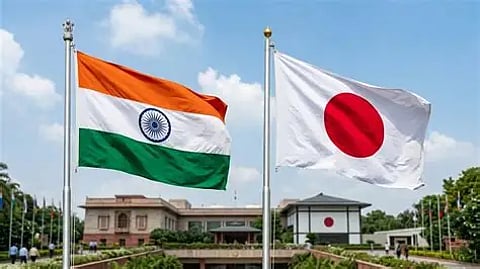
TAIPEI: India and Japan's continued engagement is helping sustain security cooperation in the Indo-Pacific amid uncertainty over Washington's priorities. Both New Delhi and Tokyo have reasons to oppose coercion and resist a regional order shaped solely by China's military weight, a report has stated. It noted that India's role is particularly significant, as it contributes the weight of a major regional power without fully aligning with Washington. "There are limits to what regional partners can achieve on their own. India, Japan and others can deepen defence cooperation and improve their ability to respond to a crisis, but much would still depend on how Washington responds if China moves against Taiwan. A more conciliatory approach toward Beijing might create room for diplomacy, but without clear US resolve, it could encourage China to take greater risks," a report in 'Taipei Times' detailed.
According to the report, US foreign policy this year has been marked by positions that are increasingly difficult to reconcile, with Washington showing a greater willingness to engage with China while adopting a tougher approach towards its own allies and partners. "Chinese President Xi Jinping's meeting with US President Donald Trump in Washington in September brought this into a sharper focus. Across the Indo-Pacific region, governments are trying to work out what these shifts mean for their security and for the future of US engagement in the region," it stated.
Emphasising the importance of these developments for Taiwan, the report said, "Beijing is assessing the direction of Washington's relationship with China and the priorities guiding its regional policy, which could lead it to test the waters with Taiwan. There is no clear evidence that the US intends to abandon Taiwan, but changes in Washington's approach could affect how Beijing and Taipei assess the longer-term security environment". (IANS)
