
- Home
- Live Blog
- Breaking News
- Top Headlines
- Cities
- NE News
- Sentinel Media
- Sports
- Education
- Jobs
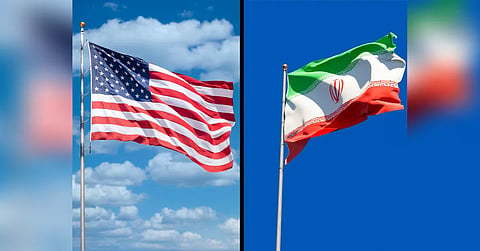
TEHRAN: Iran's frozen assets remain a major point of disagreement despite a newly announced peace deal between the United States and Iran, which is expected to be signed in Geneva on Friday.
According to Iran's Mehr news agency, a reported 14-point memorandum of understanding states that the US agreed to release $24 billion in frozen Iranian assets during a 60-day negotiation period, with half of the amount to be made available before talks begin. The negotiations are expected to focus on key issues, including Iran's nuclear programme. However, the document has not been officially confirmed. The US quickly disputed Iran's interpretation of the agreement. A senior American official told Axios that no frozen assets would be released until Iran fulfills its obligations, describing the arrangement as a "pay-for-performance" deal.
The disagreement comes after US President Donald Trump announced on Saturday that a peace agreement with Iran had been reached. The deal would reopen the Strait of Hormuz, a vital global shipping route that had seen severe disruptions during months of conflict. The White House marked the breakthrough by releasing white smoke, signaling that an agreement had been achieved.
Iranian Deputy Foreign Minister Kazem Gharibabadi said final negotiations would continue over the next 60 days, provided Washington meets commitments such as ending hostilities, lifting the blockade, and releasing frozen Iranian assets. Iranian media also reported that the agreement includes a ceasefire in Lebanon.
The issue of frozen assets has long been contentious. Earlier, US Treasury Secretary Scott Bessent suggested that Iranian funds could potentially be used to compensate Gulf allies for damages resulting from future Iranian actions. Iran strongly rejected the idea, with Foreign Minister Abbas Araghchi warning that using Iranian assets to pay other countries would violate the agreement.
Despite these financial disputes, the broader peace initiative has received international support. The UK, Germany, Italy, and France have indicated they are prepared to ease sanctions on Iran if it takes clear and verifiable steps toward compliance. Israel, however, did not immediately comment on the agreement.
The deal aims to reduce tensions in a region where repeated ceasefire violations have fueled instability and disrupted global energy and financial markets, contributing to rising commodity prices worldwide. (ANI)
Also Read: United States to slash NATO air power in Europe, pull jets, warships and key assets
