
- Home
- Live Blog
- Breaking News
- Top Headlines
- Cities
- NE News
- Sentinel Media
- Sports
- Education
- Jobs
NEW DELHI: Melanoma is the most serious type of skin cancer, but the good news is that many cases can be prevented. Experts estimate that the majority of melanoma cases are linked to exposure to ultraviolet (UV) radiation from the sun, while indoor tanning devices also significantly increase the risk. Although no method offers complete protection, adopting a combination of sun-safe habits can greatly lower the chances of developing melanoma. People with fair skin, those who burn or freckle easily, or those with a family history of melanoma should be especially vigilant. Seek shade, but don't rely on it alone.
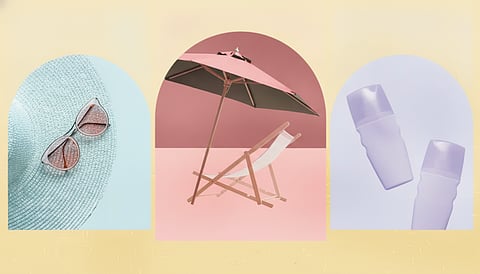
One of the simplest ways to reduce UV exposure is to stay in the shade, particularly between 10 a.m. and 4 p.m. when the sun's rays are strongest. However, shade alone is not enough. UV rays can reflect off surfaces such as sand, water and concrete, exposing the skin even while sitting under a tree or umbrella. Studies have shown that many people still experience sunburn while relying only on shade. For the best protection, combine shade with sunscreen and protective clothing.
Wear clothing that shields your skin
Covering exposed skin is another effective defence against harmful UV rays. Wide-brimmed hats help protect the face, ears, neck and scalp-areas where melanoma can be particularly aggressive. Sunglasses that block 100 per cent of UVA and UVB rays also protect the eyes and the delicate skin around them. Long-sleeved shirts, long trousers and tightly woven fabrics offer additional protection. Darker colours and synthetic materials such as polyester generally provide better UV protection than light-coloured cotton fabrics.
Use sunscreen correctly
Sunscreen should be an essential part of every outdoor routine, but it works best when used properly. Dermatologists recommend a broad-spectrum sunscreen with an SPF of at least 30, which protects against both UVA and UVB rays. Adults should apply about one ounce-roughly the amount that fills a shot glass-to exposed skin 15 to 30 minutes before going outdoors. Reapplication is equally important, especially every two hours or sooner after swimming or heavy sweating. Sunscreen should not be used as a reason to stay in the sun for longer periods.
For babies younger than six months, direct sun exposure should be avoided. Protective clothing and shade are preferred, while mineral sunscreens containing zinc oxide or titanium dioxide may be used sparingly if necessary.
Avoid sunburns
Preventing sunburn is crucial because severe sunburns can have long-term consequences. Even a single blistering sunburn during childhood or adolescence can double the risk of melanoma later in life. Multiple blistering sunburns during the teenage years raise the risk even further. Checking the daily UV index before spending time outdoors can help people plan activities and take extra precautions when UV levels are high.
Stay away from tanning beds
Artificial tanning devices are not a safe alternative to sunlight. Research consistently shows that tanning beds increase melanoma risk, even after a single session. The risk is especially high for people who begin indoor tanning before the age of 35. Those who prefer a tanned appearance are encouraged to use self-tanning lotions, sprays or wipes instead, as these products do not expose the skin to harmful UV radiation.
Check your skin regularly
Early detection saves lives. Melanoma is highly treatable when diagnosed at an early stage, making regular skin checks an important habit. Experts recommend performing monthly self-examinations using a full-length and hand mirror to inspect all areas of the body, including the scalp, back and under the nails. Look for moles or spots that change in size, shape, colour or texture, or new marks that appear unusual. Any suspicious changes should be evaluated promptly by a dermatologist. In addition, an annual professional skin examination is recommended, especially for individuals at higher risk.
The bottom line
While melanoma cannot be prevented completely, simple daily habits can dramatically reduce the risk. Seeking shade, wearing protective clothing, applying sunscreen correctly, avoiding sunburns and tanning beds, and checking the skin regularly together provide the strongest defence. These preventive measures not only lower the likelihood of melanoma but also promote healthier skin throughout life. (Agencies)
Also Read: Avoid Using Jatinga River Water for Now Due to Formalin Spill, Says Dima Hasao DC
