
- Home
- Live Blog
- Breaking News
- Top Headlines
- Cities
- NE News
- Sentinel Media
- Sports
- Education
- Jobs
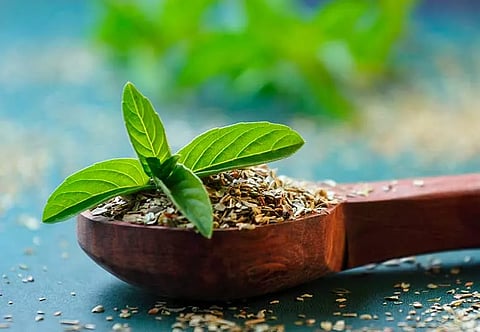
NEW DELHI: Tulsi, also known as holy basil, continues to gain recognition not only in traditional Ayurvedic medicine but also in modern clinical studies for its wide range of health benefits. Long regarded as a sacred medicinal herb in India, Tulsi is now being praised for its ability to support respiratory health, improve immunity, protect vital organs and help manage stress-related disorders. According to Ayurvedic experts, Tulsi is a key ingredient in many expectorants and cough syrups used to treat respiratory illnesses. Boiled Tulsi leaf water is commonly consumed to soothe sore throats and provide relief from coughs and colds. Herbal decoctions prepared with Tulsi, honey and ginger are believed to be effective in managing bronchitis, asthma and influenza.
The herb is also known for its positive effects on kidney health. Traditional remedies suggest that Tulsi leaf juice mixed with honey may help strengthen the kidneys and assist in the expulsion of renal stones when consumed consistently over several months.
Health practitioners further highlight Tulsi’s role in promoting cardiovascular wellness. Regular consumption of the herb is believed to help reduce cholesterol levels in the blood and support heart health naturally.
Tulsi is also widely used in treating common childhood ailments. Fresh basil leaf juice is often administered in small quantities to help relieve vomiting, diarrhoea and fever among children.
Another major benefit of Tulsi lies in its stress-relieving properties. Experts describe it as an adaptogen — a natural substance that helps the body cope with stress. Chewing around 10 to 12 Tulsi leaves twice daily is said to reduce stress levels and purify the blood. In addition, the herb is considered useful in managing headaches and mental fatigue.
Tulsi also contributes significantly to oral hygiene. Chewing fresh leaves may help treat mouth ulcers and infections. Sun-dried Tulsi leaf powder is traditionally used for cleaning teeth, while a paste made from Tulsi and mustard oil is believed to strengthen gums, reduce bad breath and improve overall dental health.
Beyond traditional applications, recent scientific studies have explored the clinical significance of Tulsi in greater depth. Researchers have found that Tulsi contains powerful phytochemicals, antioxidants and essential oils that help strengthen the neurological, cardiac and immune systems.
Studies suggest that Tulsi may protect the body against various toxic substances, including pesticides, industrial chemicals and heavy metals such as mercury, chromium and cadmium. Researchers have also observed protective effects against the harmful impact of certain medicines, including paracetamol and anti-tuberculosis drugs.
Medical findings indicate that Tulsi enhances the activity of antioxidant enzymes such as catalase, glutathione and superoxide dismutase, which help neutralise harmful free radicals in the body. Some studies have further shown that Tulsi may reduce DNA damage, slow tumour growth and improve survival rates by inducing apoptosis in cancerous cells.
The herb is also believed to support liver detoxification through enzymes that assist in safely metabolising and eliminating toxins from the body.
Tulsi can be consumed in several forms, including herbal tea, Tulsi-infused honey or ghee, fresh juice, infused water and direct consumption of leaves in beverages.
However, experts advise caution in certain cases. Pregnant women, lactating mothers and those trying to conceive are generally advised to avoid Tulsi due to insufficient research regarding its effects. People with diabetes should also monitor blood sugar levels carefully while consuming Tulsi, as it may significantly lower glucose levels.
Doctors and Ayurvedic practitioners recommend seeking medical advice before adding Tulsi regularly to one’s diet, particularly for children, elderly individuals and people with existing health conditions. (Agencies)
Also Read: Endangered dholes make documented return to Kaziranga–Karbi Anglong, signalling forest rejuvenation
