
- Home
- Live Blog
- Breaking News
- Top Headlines
- Cities
- NE News
- Sentinel Media
- Sports
- Education
- Jobs
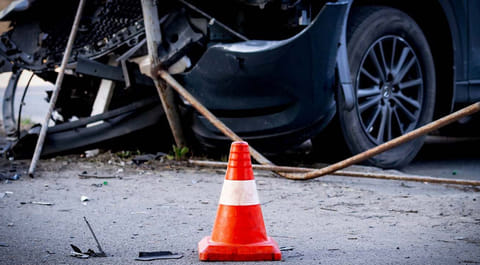
Assam witnessed over four thousand road accidents in the first quarter of 2026, with fatalities continuing to remain a serious concern despite a slight improvement compared to last year. At a high-level road safety review held in Dispur on April 27, Chief Secretary Dr. Ravi Kota evaluated the situation across all 35 districts, focusing on enforcement gaps, infrastructure shortcomings, and emergency response preparedness.
Between January and March 2026, the state recorded 4,219 accidents and 1,008 deaths. While accident figures remained nearly unchanged from 2025, fatalities declined slightly from 1,035. Despite this marginal improvement, the state continues to lose around 11 lives every day, pointing to the persistent severity of road crashes.
A closer district-level assessment showed that nearly half of all fatalities were reported from nine districts, including Guwahati city, Kamrup, Nagaon, Lakhimpur, Sonitpur, Golaghat, Barpeta, Dhubri, and Hojai. These areas have been identified for targeted interventions to reduce risk.
Assam’s severity index stands at 0.24, lower than the national average but still higher than better-performing states like Kerala and Tamil Nadu. This indicates that although accident frequency is stable, the impact of crashes remains significant.
Officials have been directed to take stricter measures, including black spot correction, better road signage, and stronger enforcement against violations such as over speeding, helmet non-compliance, drunk driving, and illegal parking. Pedestrian safety is another key concern, with one in five fatalities involving pedestrians.
The meeting also emphasised strengthening emergency response systems. Under the PM RAHAT scheme, accident victims are eligible for cashless treatment up to Rs 1.5 lakh for seven days. Authorities have been asked to improve trauma care infrastructure, enhance coordination, and ensure timely response during the critical “golden hour.”
