
- Home
- Live Blog
- Breaking News
- Top Headlines
- Cities
- NE News
- Sentinel Media
- Sports
- Education
- Jobs
A CORRESPONDENT
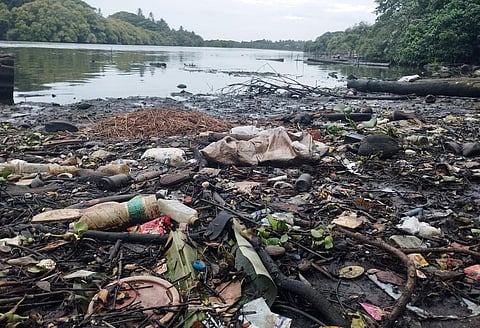
BOKAKHAT: The number of polluted rivers in Assam has reportedly declined from 44 to just 9, according to the Central Pollution Control Board (CPCB) and the Assam Pollution Control Board. However, environmental activist Apurba Ballabh Goswami has questioned how 35 rivers could suddenly become pollution-free.
It is worth mentioning that samples collected and tested last year revealed pollution in the Numaligarh stretch of the Dhansiri river. The CPCB and the Public Health Engineering Department detected oil-related substances, including grease, during the tests. In contrast, the Golaghat district administration, Assam Pollution Control Board, and Fisheries Department had reportedly stated that the Dhansiri river was free from pollution. A case related to this matter is currently pending before the National Green Tribunal (NGT).
It may be recalled that in 2018, the CPCB conducted a major nationwide survey to identify polluted rivers. During the survey, several rivers across India were declared polluted, and 44 rivers in Assam were included in the polluted river list. The primary criterion for this classification was the level of Biochemical Oxygen Demand (BOD) in the water. A high BOD level indicates the presence of substantial quantities of organic waste, sewage, and other pollutants in the water.
Goswami has raised serious concerns over how 35 of the 44 rivers declared polluted could have become pollution-free naturally over the past eight years without any schemes or initiatives being undertaken to clean them. According to the latest monitoring data, water quality in these 35 rivers has reportedly improved significantly, leading to their removal from the list of polluted rivers.
“We still urge the Central Pollution Control Board to collect fresh water samples from these 35 rivers and conduct further testing and analysis. How could these rivers become pollution-free without any cleaning drives or other remedial measures, despite having suffered severe pollution?” Goswami questioned.
He also suggested several measures that the government should adopt if it is genuinely committed to making the state’s rivers pollution-free.
The Bharalu river in Guwahati has been identified in CPCB reports as one of the most polluted rivers in India. The condition has been attributed to the direct discharge of untreated sewage from Guwahati city, commercial waste, and industrial effluents into the river. Apart from the Bharalu, pollution levels in the Burhi Dihing, Digboi, Kolong, and Dhansiri rivers, as well as in certain stretches of the Brahmaputra, have reportedly exceeded permissible limits at various times.
Also Read: Assam: Youth attempts suicide at Kaithalkuchi railway station in Nalbari
