
- Home
- Live Blog
- Breaking News
- Top Headlines
- Cities
- NE News
- Sentinel Media
- Sports
- Education
- Jobs
Staff Reporter
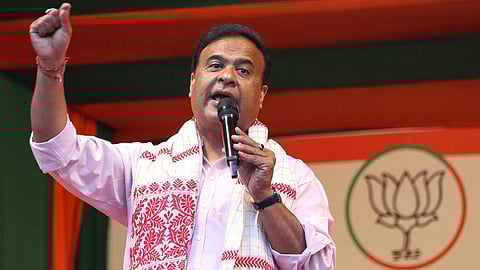
Guwahati: Chief Minister Dr Himanta Biswa Sarma today asserted that, earlier, appointments in government jobs meant the backing of ministers or MLAs and money. But now, appointments are made in a transparent manner, with merit counting above all else.
The CM today ceremonially distributed appointment letters to candidates for grade IV jobs, with a total of 4,374 candidates appointed. Speaking on the occasion, the CM said that earlier appointments were made on a department or district basis, and candidates faced a lot of inconvenience as hundreds of recruitment examinations were held. However, the absence of a high-level monitoring system led to the leakage of exam papers and the prevalence of corruption. This situation sparked litigation, prompting job-deprived candidates to turn to the courts. As a result, the appointment process got delayed and sometimes even stayed by courts.
After the BJP came into power, the CM emphasised that they overhauled and streamlined the entire appointment process. Recruitment boards were formed for different types of posts. "As a result, in the last nearly five years, we have appointed around 1.5 lakh youths without a single instance of malpractice or court case. Earlier, there was a conception among youths that jobs were not guaranteed solely on the basis of education. Getting a job meant recommendations from MLAs and ministers and paying huge amounts of money. Now, youths from general families are getting jobs on the strength of merit. Assam stands out among all states in India for its transparent and fair appointment process," he stated.
Touching on the subject of demographic change in the state, the Chief Minister advised newly appointed candidates to marry within one year of getting appointed in a job and give birth to children. He pointed out that Assamese youth tend to marry later and often limit themselves to having only one or two children. This, he said, has caused an imbalance in the population pattern. "When we go to Upper Assam, we rarely see children in the villages. But when we visit districts like Dhubri and Goalpara, we get to see six to seven children in every home. If this trend persists, the Assamese community will become a minority in the next 20 to 30 years," he emphasized.
Also Read: Assam Announces New Postings for ACS Officers Amid Reshuffle
